
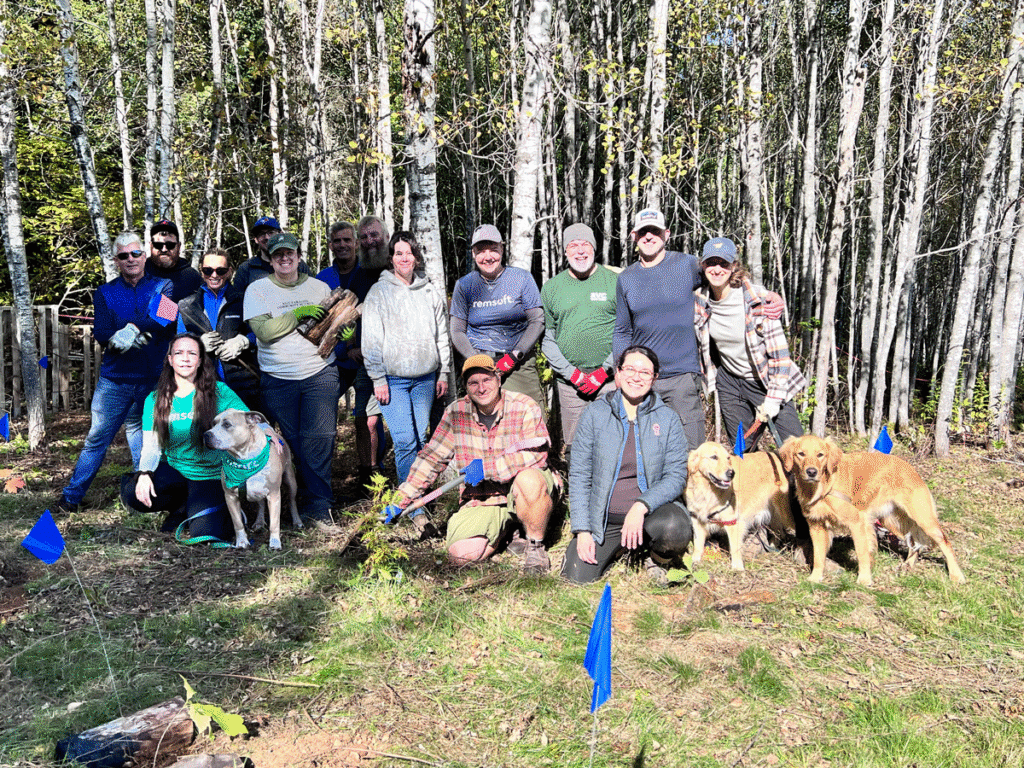

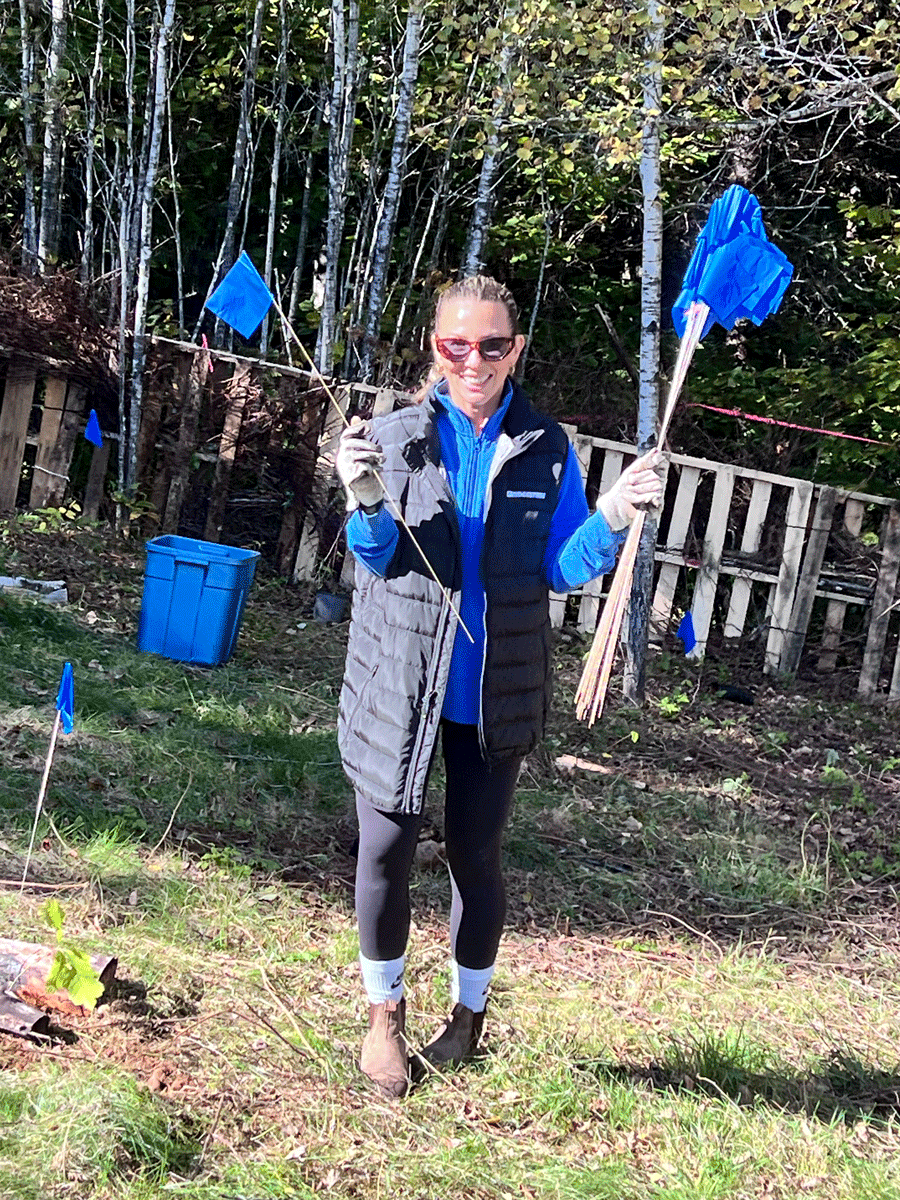
For National Forest Week 2026, members of Remsoft’s Fredericton team traded their keyboards for planting tools.
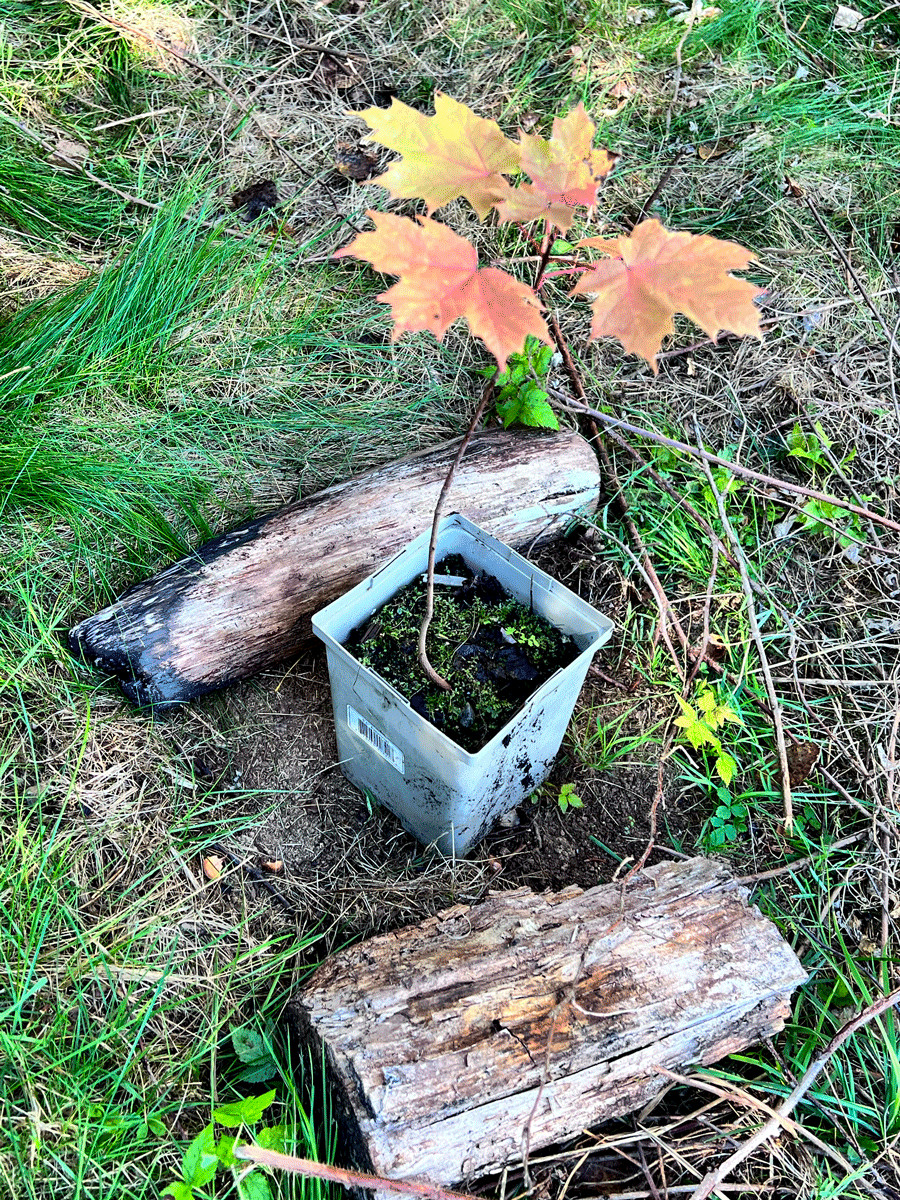
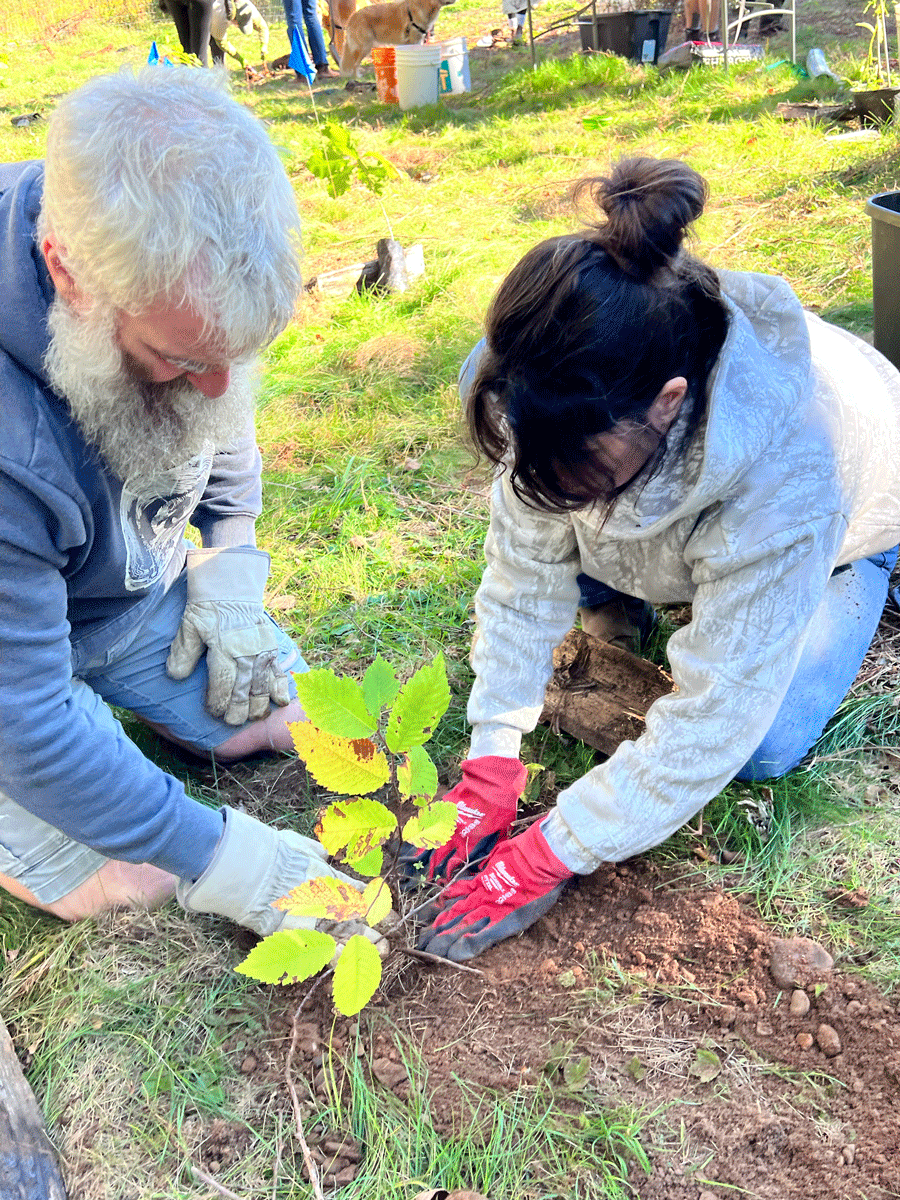
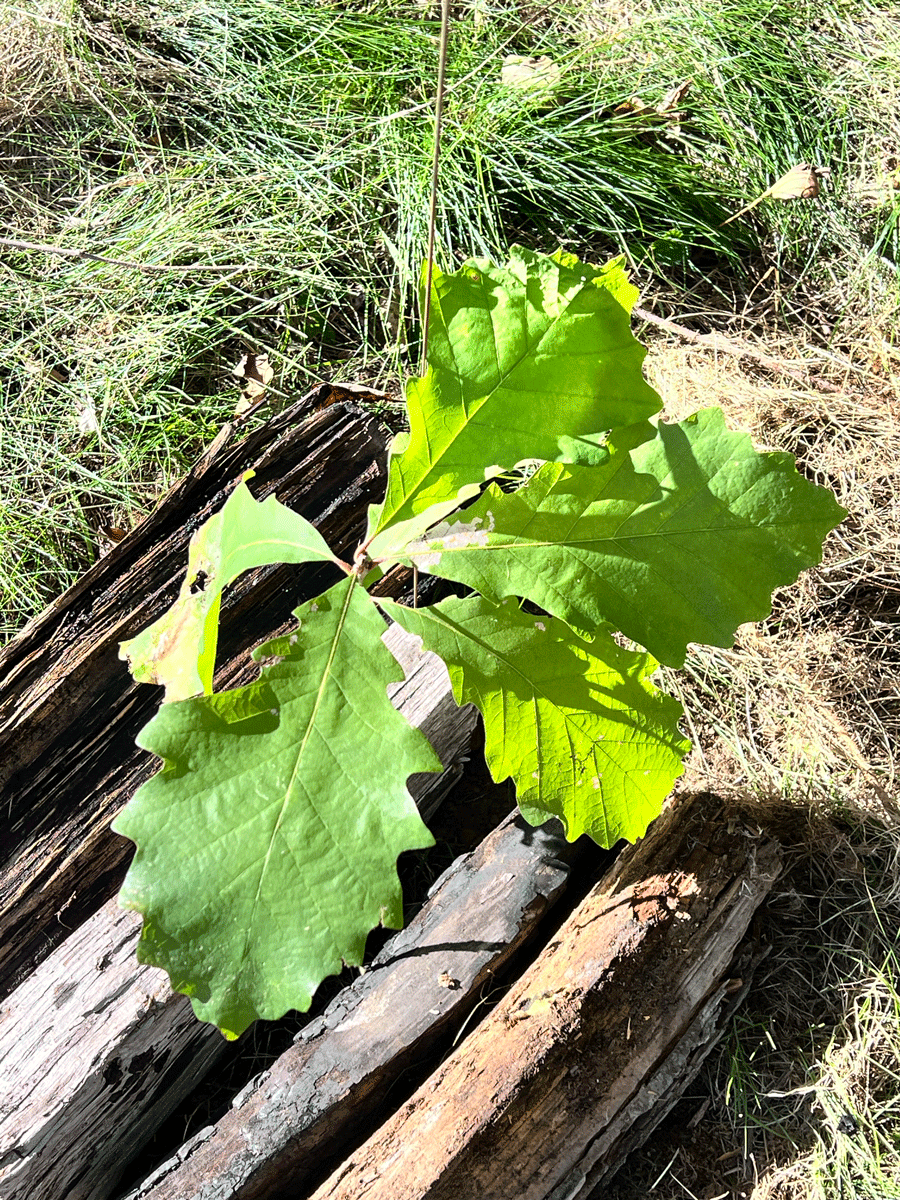
We spent the day in a private woodlot just outside the city. By the time we packed up, 117 tree seedlings from 15 different species were in the ground, including oak, white pine, cedar, birch, and many more.
It only took us a morning to plant them but they will be shaping that landscape long after everyone who planted them has retired.
That gap between planting day and a healthy, mature forest is exactly what National Forest Week asks us to think about.
Key Takeaways: National Forest Week 2026
- Planting is the first step, not the last. Remsoft’s Fredericton team planted 117 seedlings from 15 species for National Forest Week 2026, but those trees will take decades to become a forest.
- Seedlings need years of care. A planted seedling is only considered free to grow on its own after about seven years, and it needs monitoring along the way.
- Diversity builds resilience. Planting many species, including the endangered butternut, gives a forest more ways to handle drought, pests, and a changing climate.
- Good planning turns seedlings into forests. Science, data, and planning tools help forest managers make long-term decisions under conditions no one can fully predict.
National Forest Week 2026: Innovation and sustainability, side by side
National Forest Week runs from September 20 to 26, 2026. Led by the Canadian Institute of Forestry, it invites Canadians to learn more about the forest sector and its place in our culture, history, and future.
This year’s theme is “Forest Pathways: Innovation and Sustainability.” The idea is simple but important: the future of Canada’s forests depends on science and new ideas. Better monitoring, smarter management practices, and fresh perspectives help forests stay healthy while still supporting the communities and jobs that rely on them.
Sustainability and innovation are not competing goals. They need each other.
A seedling’s long road
Our 117 trees are a tiny part of a much bigger national effort. In 2022, 584 million seedlings were planted on provincial forest lands across Canada.
But planting is not the finish line. Before a seedling ever reaches the ground, seeds are collected and grown in nurseries for several years until the seedlings are strong enough to survive in their new environment. After planting, the health and survival of the seedlings still needs to be monitored so that further action can be taken to help them mature. It’s only after about seven years that a seedling is considered free to grow on its own.
And that’s just the start. Most of us plan in quarters, or maybe a few years ahead. Forestry works on a completely different clock. The trees we planted will grow up in a climate, an economy, and a community that look different from today’s, in ways no one can predict with certainty.


Where planning meets the forest
Forest managers carry a lot of responsibility. They decide what to plant and where, when to harvest, how to protect wildlife habitat, and how to keep wood supply steady for mills and communities.
They also have to plan for the unexpected. Natural disturbances like pests and wildfires affect the area available for harvest each year, are difficult to predict, and force managers to adjust their plans.
This is where innovation matters most. Good data and strong planning tools let people test “what if” scenarios before they commit. What happens to this forest in 40 years if we change our harvest schedule? How do we balance carbon, habitat, and timber value at the same time? What’s the plan if fire takes out a key stand?
Forestry decisions play out over much longer timelines than most of us are used to. What we plant, protect, and manage today will face conditions we can’t fully predict. That’s why we need the best science, data, and tools we have now, so we can build forests that stay resilient for generations.”
Marie Eve Fillion, Director of Product, Remsoft Optimization
Answering those long-range questions well is how a seedling planted today becomes a resilient forest tomorrow. It’s also the work Remsoft does every day: helping forest organizations make confident long-term decisions for the land they manage.
What a day in the woods taught us
Most of our working days are spent helping others plan forests, often through maps, models, and spreadsheets.
Standing in that woodlot with dirt on our hands was a good reminder. Behind every plan is a real place. Behind every number is a living tree.
Planting 15 species side by side also made the idea of resilience feel real. The oak, pine, cedar, and birch will each respond differently to the dry summers, hard winters, and pests ahead. The butternut carries an extra story. It’s an endangered species in Canada, threatened by a fungal disease with no known cure, so every healthy young butternut is a small vote of confidence in the future. Planning for that kind of variety, across changing climates, ecosystems, markets, and community needs, is the heart of good forest management.
Each of those 117 seedlings is a small bet on the future. Whether it pays off depends on care, patience, and good decisions over many years.
Plant something that outlasts you
National Forest Week is a chance for all of us to look past the next quarter and think in decades.
Plant a tree. Visit a local forest. Learn how the forests in your region are managed and who is looking after them.
And follow along this week using #NationalForestWeek to see how innovation is shaping a sustainable future for Canada’s forests.
The best time to plan for a forest is the day you plant it.
National Forest Week is an annual event led by the Canadian Institute of Forestry. It invites Canadians to learn about the forest sector and its role in Canada’s culture, history, and future.
National Forest Week 2026 runs from September 20 to 26, 2026.
The 2026 theme is “Forest Pathways: Innovation and Sustainability.” It focuses on how science, new technology, and better management practices support healthy forests and strong communities.
In 2022, 584 million seedlings were planted on provincial forest lands across Canada, according to Natural Resources Canada.
According to Natural Resources Canada, a seedling is generally considered free to grow on its own after about seven years. Until then, it needs monitoring and sometimes extra care.
Butternut is listed as Endangered under Canada’s Species at Risk Act. The main threat is butternut canker, a fungal disease with no known cure that has spread across the tree’s native range.
Forests grow over decades, so today’s choices about what to plant, protect, and harvest play out far into the future. Good planning helps forest managers prepare for wildfire, pests, climate change, and shifting markets while keeping forests healthy.